Table of Contents >> Show >> Hide
- What Is Vaginal Discharge?
- When Is Vaginal Discharge Normal?
- When Should You Pay Attention?
- Vaginal Discharge: 9 Ways to Control It
- 1. Learn Your Normal Pattern
- 2. Avoid Douching and Internal Cleansers
- 3. Wash Gently on the Outside Only
- 4. Choose Breathable Underwear and Clothing
- 5. Use Unscented Liners Carefully
- 6. Protect the Vaginal Microbiome
- 7. Practice Safer Sex and Get Tested When Needed
- 8. Treat the Actual Cause, Not the Guess
- 9. Know the Red Flags That Need Medical Care
- Common Causes of Abnormal Vaginal Discharge
- What Not to Do When Managing Discharge
- Experience-Based Tips: What Real-Life Discharge Management Often Looks Like
- Conclusion
Vaginal discharge is one of those body topics that many people learn about through panic-Googling at 11:47 p.m., which is not exactly the calmest classroom. The truth is much less dramatic: vaginal discharge is usually normal. In many cases, it is a sign that the vagina is doing its regular maintenance routinecleaning itself, balancing moisture, and helping protect against irritation and infection. Basically, it is the body’s built-in housekeeping crew, minus the tiny mop.
Still, discharge can feel confusing because it changes. It may be clear one week, creamy white another week, stretchier around ovulation, or heavier before a period. Hormones, pregnancy, birth control, physical activity, and even stress can influence what is normal for a person. The key is not to eliminate discharge completely. The goal is to understand what is normal, reduce preventable irritation, and recognize when a change deserves medical attention.
This guide explains 9 practical ways to control vaginal discharge in a healthy, realistic way. It also covers what normal discharge looks like, what warning signs to watch for, and how to manage day-to-day comfort without accidentally making things worse. Spoiler alert: the vagina does not want perfume, glitter, steam treatments, or a “fresh mountain breeze” theme.
What Is Vaginal Discharge?
Vaginal discharge is fluid that comes from the vagina and cervix. It may contain moisture, cells, and healthy bacteria. Its job is to help keep vaginal tissues clean and balanced. Normal discharge can be clear, white, off-white, thin, slippery, sticky, creamy, or stretchy depending on the time of the menstrual cycle.
A healthy pattern is different for everyone. Some people notice discharge daily; others notice it mostly around ovulation or before their period. Amount can also vary. What matters most is whether the discharge is normal for you and whether it comes with symptoms like itching, burning, pain, strong odor, swelling, pelvic discomfort, or unexpected bleeding.
When Is Vaginal Discharge Normal?
Normal vaginal discharge usually has these features:
- Clear, white, or slightly off-white color
- Mild or barely noticeable scent
- No itching, burning, pain, or swelling
- Texture that changes during the menstrual cycle
- No unexpected bleeding outside a period
Discharge often becomes clear and stretchy around ovulation. It may look creamier before a period. It may increase during pregnancy or while using certain hormonal birth control methods. Teens may also notice discharge before their first period begins, which can be a normal part of puberty.
When Should You Pay Attention?
Abnormal vaginal discharge may be a sign of irritation, bacterial vaginosis, a yeast infection, a sexually transmitted infection, or another health condition. Contact a healthcare provider if discharge suddenly changes color, smell, amount, or textureespecially if it comes with itching, burning, pain, sores, pelvic pain, fever, or bleeding when you are not on your period.
Yellow, green, gray, thick clumpy, bloody, or foul-smelling discharge should not be ignored. That does not mean something terrible is happening, but it does mean your body is waving a tiny flag that says, “Please investigate.”
Vaginal Discharge: 9 Ways to Control It
1. Learn Your Normal Pattern
The best way to control vaginal discharge is to first understand your own baseline. Discharge is not the same every day. It can change with your cycle, hormones, activity level, and health. Tracking it for a month or two can help you recognize what is normal for you.
You do not need a complicated spreadsheet titled “Operation Discharge Detective.” A simple note in a period-tracking app or calendar works fine. Record the color, texture, amount, and whether there are symptoms like itching, odor, or irritation. Over time, patterns become easier to spot.
For example, if you notice clear, slippery discharge around the middle of your cycle every month, that may be related to ovulation. If you suddenly develop gray discharge with a strong odor, that is different and should be checked.
2. Avoid Douching and Internal Cleansers
Douching is often marketed as a way to feel “fresh,” but it can disrupt the natural balance of bacteria and pH in the vagina. That disruption may actually increase the risk of odor, irritation, bacterial vaginosis, and abnormal discharge.
The vagina is self-cleaning. It does not need internal washing, scented sprays, deodorants, or special “detox” products. Those products can irritate delicate tissue and create the exact problem they claim to fix. It is like trying to clean a window with peanut butter: technically an action was taken, but nobody is better off.
To support vaginal health, clean only the outside area gently. Keep the inside alone unless a healthcare provider gives specific medical instructions.
3. Wash Gently on the Outside Only
Good hygiene matters, but aggressive washing can backfire. Use warm water to clean the outside genital area. If you use soap, choose a mild, unscented option and keep it external. Avoid scrubbing, heavily fragranced body washes, and deodorizing wipes.
After bathing, dry the area gently with a clean towel. Moisture trapped against the skin can lead to irritation. During hot weather or after exercise, changing out of sweaty clothing can make a noticeable difference.
Think gentle, not “deep-cleaned like a kitchen floor.” The vulvar area is sensitive skin, not tile grout.
4. Choose Breathable Underwear and Clothing
Clothing choices can affect moisture and irritation. Cotton underwear or underwear with a breathable cotton lining can help reduce trapped heat and dampness. Tight leggings, synthetic underwear, or wet swimsuits worn for long periods can create an environment where irritation is more likely.
This does not mean you must throw out every cute pair of underwear and dress like a pioneer ghost. It simply means that daily comfort often improves when breathable fabrics get more airtime in the rotation.
Helpful habits include:
- Changing out of sweaty workout clothes soon after exercising
- Removing wet swimsuits promptly
- Avoiding very tight clothing when you are already irritated
- Wearing breathable underwear for sleep or choosing loose sleepwear
5. Use Unscented Liners Carefully
Panty liners can help manage normal discharge and protect underwear, especially on heavier days. However, wearing liners all day, every day may trap moisture and irritate the skin for some people. Scented liners can also cause itching or sensitivity.
If you use liners, choose unscented products and change them often. If you notice irritation after using a certain brand, stop using it and see whether symptoms improve. Sometimes the “mystery problem” is not mysterious at allit is a scented product wearing a tiny disguise.
For people with heavy normal discharge, breathable underwear, regular changes, and unscented liners used only when needed can be a practical combination.
6. Protect the Vaginal Microbiome
The vaginal microbiome is the community of bacteria that helps maintain balance. When that balance is disrupted, discharge may change. Antibiotics, douching, uncontrolled diabetes, hormonal shifts, and irritants can all play a role.
To support a healthy balance, avoid unnecessary antibiotics and take prescribed medications exactly as directed. If you have diabetes, keeping blood sugar well managed can help reduce the risk of yeast infections and other issues. Eating a balanced diet, staying hydrated, and getting enough sleep support overall immune health, which also matters.
Probiotics are sometimes discussed for vaginal health, but they are not a magic button. Some people find them helpful, while evidence varies depending on the product and condition. If you have frequent infections, ask a healthcare provider before spending money on supplements with labels that sound like they were named by a yogurt wizard.
7. Practice Safer Sex and Get Tested When Needed
Some sexually transmitted infections can cause abnormal vaginal discharge. Chlamydia, gonorrhea, and trichomoniasis may cause discharge changes, irritation, pelvic discomfort, or no symptoms at all. Because symptoms can overlap, guessing is not reliable.
Using condoms or other barrier protection can reduce the risk of many sexually transmitted infections. If you are sexually active, routine testing is important, especially with a new partner or if symptoms appear. A healthcare provider can do testing and recommend the right treatment if needed.
Do not rely on discharge color alone to diagnose an STI. Bodies are not traffic lights. Green does not automatically mean one thing, and white does not automatically mean another. Testing gives real answers.
8. Treat the Actual Cause, Not the Guess
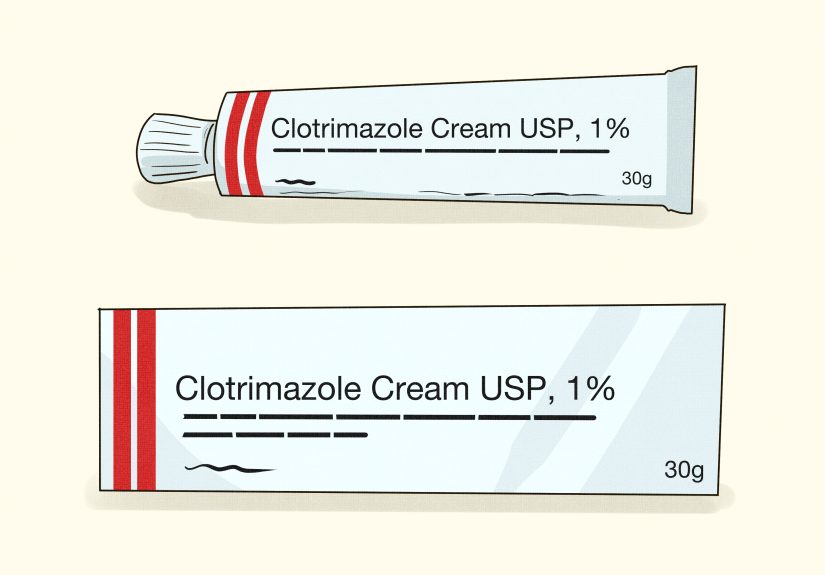
It is tempting to grab over-the-counter yeast treatment every time discharge changes, but not every discharge change is a yeast infection. Bacterial vaginosis, yeast infections, trichomoniasis, irritation, allergies, and hormonal changes can produce overlapping symptoms.
Treating the wrong condition may delay proper care or make irritation worse. For example, using antifungal medicine when the real issue is bacterial vaginosis will not solve the problem. Likewise, stopping prescribed medication early because symptoms improved can allow an infection to return.
Common treatment approaches may include antifungal medicine for yeast infections or antibiotics for bacterial vaginosis or certain sexually transmitted infections. The right treatment depends on the diagnosis. A clinician may examine a sample of discharge, check pH, or run lab tests.
9. Know the Red Flags That Need Medical Care
Some discharge changes should be checked promptly. Contact a healthcare provider if you notice:
- Strong, unpleasant, or fishy odor
- Yellow, green, gray, bloody, or unusual discharge
- Thick clumpy discharge with itching or burning
- Pain, swelling, sores, or pelvic discomfort
- Bleeding between periods or after sex
- Fever or lower abdominal pain
- Symptoms during pregnancy
- Repeated infections or symptoms that keep coming back
Seeking care does not mean you failed at hygiene. Vaginal symptoms are common, treatable, and not a character flaw. The body is complicated, and sometimes it sends confusing emails without a subject line.
Common Causes of Abnormal Vaginal Discharge
Bacterial Vaginosis
Bacterial vaginosis, often called BV, happens when the usual balance of vaginal bacteria changes. It may cause thin white or gray discharge and a strong odor. Some people have no symptoms. BV is treatable, but it can return, so medical guidance is helpful.
Yeast Infection
A yeast infection may cause itching, burning, redness, and thick white discharge. Antibiotic use, hormonal changes, pregnancy, and uncontrolled diabetes may increase the risk. Over-the-counter treatment may help when symptoms are clearly familiar, but first-time symptoms or recurring symptoms should be evaluated.
Trichomoniasis and Other STIs
Trichomoniasis and other sexually transmitted infections can cause discharge changes, odor, irritation, or discomfort. Some infections have mild symptoms or none at all. Testing is important because untreated infections can lead to more serious health problems.
Irritation or Allergic Reaction
Scented soaps, bubble baths, laundry detergents, pads, wipes, lubricants, and tight synthetic clothing can irritate sensitive skin. If symptoms began after a new product, stop using it and see whether things improve. If symptoms continue, get checked.
Hormonal Changes
Birth control, pregnancy, breastfeeding, perimenopause, and menopause can change vaginal moisture and discharge. Some hormonal changes cause more discharge, while others cause dryness and irritation. A healthcare provider can help identify options if symptoms are uncomfortable.
What Not to Do When Managing Discharge
When discharge feels annoying, it is easy to go into “fix it now” mode. Unfortunately, some common fixes can cause more irritation. Avoid these habits:
- Do not douche.
- Do not use scented sprays or vaginal deodorants.
- Do not put household products inside the vagina.
- Do not use leftover antibiotics.
- Do not assume every symptom is a yeast infection.
- Do not ignore discharge with pain, odor, fever, or bleeding.
The best approach is simple: keep the outside clean, avoid irritants, wear breathable clothing, track changes, and get medical help when symptoms are unusual.
Experience-Based Tips: What Real-Life Discharge Management Often Looks Like
Managing vaginal discharge in real life is rarely as neat as a health brochure. One day everything seems normal, and the next day you are wondering whether your underwear is staging a small weather event. Many people first become aware of discharge during puberty, when the body starts changing faster than a phone app after an update. At that stage, clear or white discharge can feel surprising, but it is often normal. The useful lesson is this: learning your body’s pattern can reduce anxiety.
A common experience is noticing more discharge before a period or around ovulation. Someone might think, “Something must be wrong,” only to realize the same pattern happens every month. Keeping a small cycle note can turn confusion into confidence. For example, if discharge becomes stretchy around the same time each cycle and there are no other symptoms, that may simply be a normal hormonal shift.
Another common scenario involves irritation after trying a new product. A person switches to scented body wash, fragranced liners, or a new laundry detergent and then develops itching or discomfort. The first thought may be infection, but the real culprit might be the product. Switching back to unscented options and avoiding direct irritation can help. If symptoms continue, it is still smart to see a clinician, but identifying product triggers is a practical first step.
Workout routines can also affect comfort. Tight leggings, sweat, and delayed clothing changes can leave the area damp for hours. That does not automatically cause infection, but it can increase irritation. People who exercise often may feel better when they change underwear after workouts, shower when possible, and avoid staying in wet clothing. The same goes for swimsuits. A wet swimsuit is fun at the pool, less charming three hours later in the car.
Some people deal with frequent discharge by wearing daily liners. This can be helpful, but it can also backfire if liners are scented or not changed often. A better routine may be using unscented liners only on heavier days, changing them regularly, and choosing breathable underwear. Comfort is the goal, not creating a sealed humidity chamber.
There is also the “I treated it, but it came back” experience. Repeated symptoms can happen when the cause was never confirmed, when treatment was incomplete, or when reinfection or irritation continues. This is especially important with bacterial vaginosis, yeast infections, and sexually transmitted infections. If discharge keeps returning, guessing becomes less useful. A medical visit can identify the cause and prevent a frustrating cycle of random treatments.
Finally, embarrassment keeps many people from asking for help. But clinicians discuss vaginal symptoms every day. To them, discharge is not shocking; it is information. Describing color, odor, texture, timing, and symptoms helps them figure out what is happening. A direct sentence like, “My discharge changed two weeks ago, and now there is itching and odor,” is enough. No dramatic speech required. Your body deserves care without shame, panic, or perfume commercials getting involved.
Conclusion
Vaginal discharge is usually a normal part of reproductive health, not an emergency siren. The real skill is knowing what is normal for your body and recognizing when something changes. To control vaginal discharge in a healthy way, avoid douching, use gentle external hygiene, choose breathable clothing, reduce irritants, practice safer sex, and seek medical care when symptoms are unusual or persistent.
You do not need to make discharge disappear. In fact, trying too hard to “freshen” the vagina can create more problems than it solves. A balanced, informed approach works better: respect the body’s natural cleaning system, support comfort, and get professional guidance when your body sends a message that feels out of the ordinary.
Note: This article is for educational purposes only and does not replace medical advice. Anyone with unusual discharge, pain, odor, itching, bleeding, pregnancy-related symptoms, or recurring infections should contact a qualified healthcare provider.